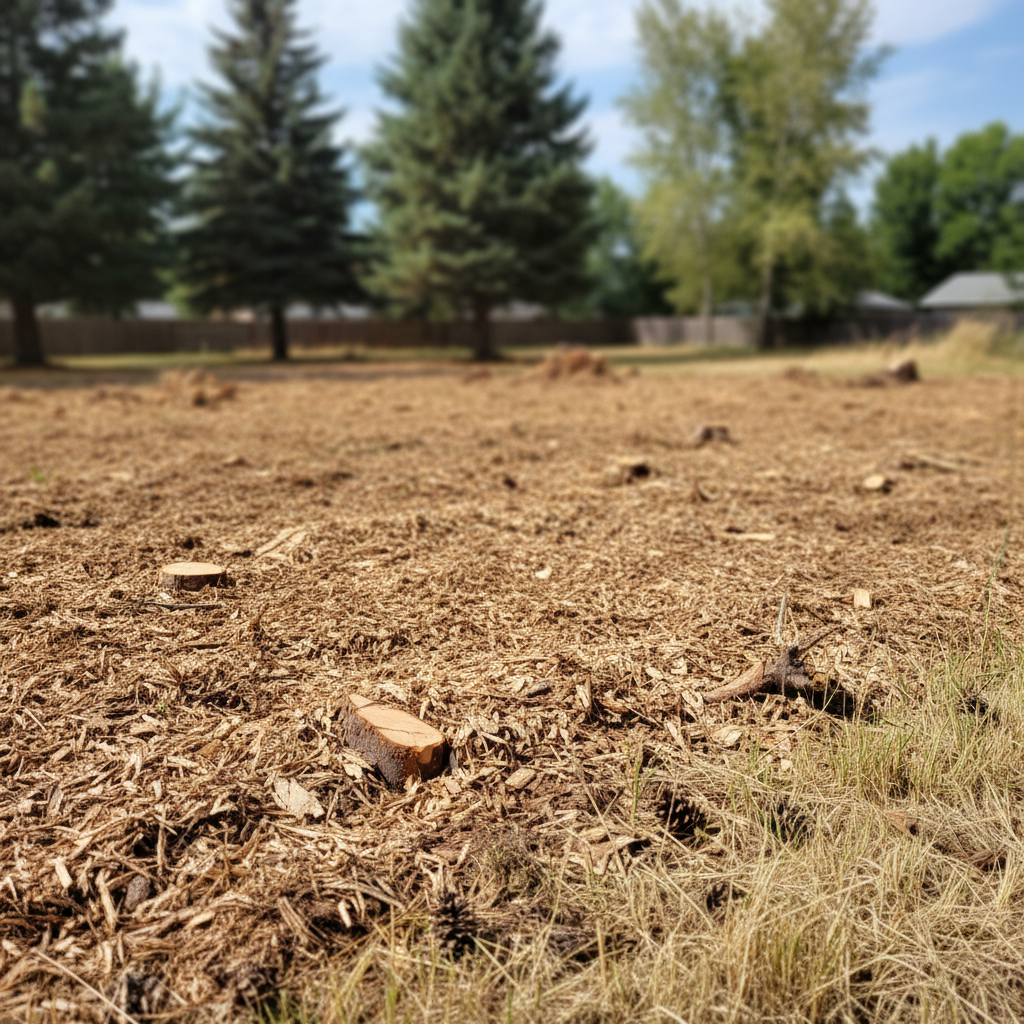
So, you've got a piece of land in Yakima, maybe a new property or an overgrown corner of your existing yard, and you're thinking it's time to clear it out. That's a big project, and it's easy to underestimate what goes into it. I've seen a lot of folks get started with good intentions, only to realize they bit off more than they could chew. Let's break down what you need to know before, during, and after a lot clearing job, and when it’s really time to call in the cavalry.
Before You Start: Planning and Permits
First things first: don't just grab a chainsaw and go at it. You need a plan. What's the goal here? Are you building something? Just expanding your yard? Creating a fire break? Knowing your end game helps you figure out the best way to get there.
Next, permits. This is huge. In Yakima County, especially if you're dealing with larger trees or significant land disturbance, you might need a permit. You definitely don't want to get fined because you didn't check with the county or city planning department first. Also, are there any protected trees on your property? Some older, larger trees, or certain species, might be protected. It's not worth the headache to find out after you've already cut them down.
Think about utilities too. Call 811 before you dig, always. You don't want to hit a gas line or an electrical conduit. That's not just expensive; it's dangerous.
DIY Lot Clearing: What You Can Realistically Do
Alright, let's talk about what you can probably tackle yourself. If you're dealing with smaller brush, saplings, or scattered weeds, you've got a good shot. Here's what I'd consider DIY-friendly:
- Small brush and undergrowth: Things you can cut with loppers, a brush cutter, or a small chainsaw. Think blackberry bushes, small alders, or young cottonwoods.
- Fallen branches: If a storm brought down a few branches, and they're manageable in size, you can usually cut them up and dispose of them.
- Light debris removal: Picking up rocks, old tires, or other junk that's accumulated.
For these jobs, make sure you've got the right safety gear: gloves, eye protection, hearing protection, and sturdy boots. A good pair of chaps if you're using a chainsaw is non-negotiable. And never work alone, especially with power tools.
When to Call a Professional
Now, here's where I see a lot of folks get into trouble. There's a line between a weekend project and a full-blown professional job. If any of these sound like your situation, it's time to call someone like us at Yakima Tree Service:
- Large trees: Anything over, say, 8-10 inches in diameter, especially if it's tall or close to a structure. These require specialized equipment, experience, and often a crew to bring down safely. The way trees fall in our dry Yakima climate can be unpredictable, and you don't want a massive oak or fir dropping on your house or your neighbor's fence.
- Steep slopes or uneven terrain: Trying to clear land on a hill is a whole different ballgame. Equipment can tip, and falling debris can roll.
- Dense, established growth: If you're looking at a thick forest of mature trees and tangled underbrush, that's not a one-person job. You'll need heavy machinery like excavators, mulchers, or forestry mowers.
- Stump removal: Grinding or pulling stumps, especially big ones, is tough work and requires specific tools.
- Hazardous trees: Dead, diseased, or leaning trees are incredibly dangerous to remove. Don't risk it.
- Time constraints: If you need the land cleared quickly and efficiently, a professional crew can get it done in a fraction of the time it would take you.
We've got the equipment, the training, and the insurance to handle these big jobs safely and effectively. We know how to deal with the specific challenges of Yakima's soil conditions, which can sometimes make stump removal a real bear.
After the Clearing: What's Next?
Once the land is clear, you're not quite done. What are you going to do with all that debris? You'll have brush piles, logs, and maybe stumps. You can chip smaller branches for mulch, cut logs for firewood, or haul everything to a green waste facility. If you hired a pro, they'll often handle the debris removal as part of the service.
Then, think about erosion control, especially if you've cleared a large area or a slope. Exposed soil, particularly with our winter rains and spring runoff, can lead to significant erosion. Planting ground cover or installing erosion blankets can help. If you're planning to build, you'll need to prepare the site for construction, which might involve grading or bringing in fill dirt.
Clearing land is a big undertaking, whether you do it yourself or hire it out. Be smart, be safe, and know your limits. It's always better to call a professional for the big stuff than to end up with an injury or a damaged property.