When a tree unexpectedly crashes down, it's never a good time. It's stressful, messy, and you're probably just wondering, "What the heck do I do first?" I get a lot of calls from folks right here in Yakima when this happens, and they usually ask the same kinds of questions. So, I figured I'd just lay out some honest answers for you. This isn't marketing fluff, by the way; it's just what I've picked up working around here for years.
How fast can you get here for an emergency?
That's usually the first thing people want to know, and it's a totally fair question. When a tree's on your roof or blocking the driveway, every minute can feel like an hour. For a true emergency—and I mean immediate danger to life, property, or access—we aim to be there as fast as humanly possible. We keep crews on call, and these jobs definitely get top priority. It might even mean we reroute from another, less urgent project, but that's just what 'emergency' means to us. If it's 2 AM and a big Ponderosa pine just split and landed on your garage in West Valley, you can bet we're getting geared up.
What actually counts as an 'emergency' for tree removal?
Good question, because not every fallen branch is an emergency. Here's what I'd call an emergency:
- A tree or a big limb has fallen on your house, your car, or some other structure.
- A tree is blocking a critical access point, like your driveway or a public road.
- A tree is leaning really precariously and looks like it's about to fall, especially if it's near people or property. Think about those big old Cottonwoods along the Naches River—when they start leaning hard after a storm, that's an emergency.
- Power lines are involved. This is a huge one, folks. If a tree is touching or has brought down power lines, stay far away and call Pacific Power first, *then* call us.
Now, if it's just a branch in your yard that isn't causing immediate danger, that's more of a priority removal than an emergency. We'll still get to it quickly, but those immediate danger situations always come first.
Will my homeowner's insurance cover emergency tree removal?
Most of the time, yes, they will. This is usually true if the tree damaged an insured structure (like your house, garage, or fence) because of a covered peril (think wind, ice, or lightning). They typically cover the cost to remove the part of the tree that's actually on the structure, and sometimes a bit more to clear access. What they usually *don't* cover is removing a tree that fell in your yard but didn't hit anything, or taking out a tree that fell because it was already diseased or neglected. Always check your specific policy, or just call your agent right away. We're happy to work with your insurance company, provide estimates, and handle the paperwork on our end to help make things easier for you.
Do I need to be home for you to remove the tree?
For an emergency, not necessarily. If there's immediate danger and we can safely get to the tree without you there, we can often start the work. We'll definitely need to talk with you about the scope and get your approval, of course. But if you're stuck at work or out of town and a storm just hit, we totally get that you might not be able to drop everything. We'll keep you updated with calls and photos. For non-emergency work, we prefer you're there for the initial consultation, but once we've got the plan set, you don't always need to be on-site for the whole job.
What about stump removal after an emergency?
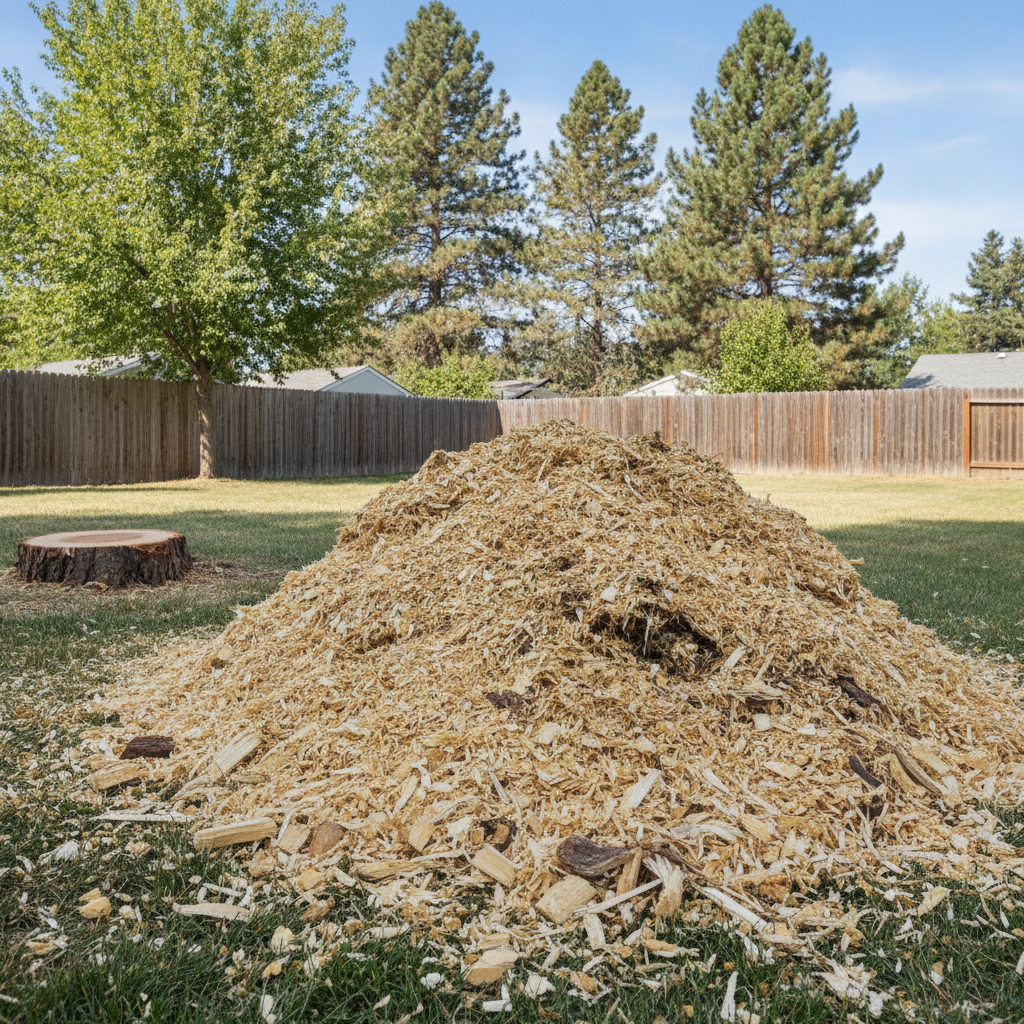
When we do an emergency removal, the main goal is getting that dangerous tree off your property and making everything safe. That usually means cutting the trunk as close to the ground as possible. Stump grinding, however, is a separate service. Most insurance policies won't cover stump grinding unless the stump itself is causing further damage or creating a hazard directly related to the initial incident. We can absolutely grind the stump for you, but it's typically an additional cost and often gets scheduled after the immediate emergency is handled. We'll discuss all your options when we're on site, don't worry.
How do you handle debris cleanup after an emergency tree removal?
Cleanup is part of the job, and we take it seriously. After we've safely removed the tree or limbs, our crew will chip up branches, cut logs into pieces that are easy to manage, and haul everything away. Our goal? To leave your property as clean, if not cleaner, than it was before the incident. We don't just leave a pile of wood for you to deal with. We've got the equipment to handle large amounts of debris, so you won't have to worry about a huge mess in your yard once we're done. We know it's already a stressful situation, so we really try to make the cleanup as painless as possible.
Why should I choose a local company like Yakima Tree Service for emergencies?
It's simple: we know Yakima. We know the types of trees that grow here—the Lombardy Poplars that love to drop limbs, the old apple trees in the orchards that can be surprisingly fragile, the way our heavy snows and wind storms affect different species. We're also right here. When you call Yakima Tree Service, you're talking to someone who lives and works in this community, not some national call center. That means faster response times, a better understanding of local conditions, and a real commitment to our neighbors. We're invested in keeping our community safe and looking good, one tree at a time.
What if the tree is on my neighbor's property but fell on mine?
This is a common headache, isn't it? Generally, if your neighbor's tree falls on your property and causes damage, your homeowner's insurance will cover the damage to your property. Your insurance company might then go after your neighbor's insurance to get their costs back—that's called subrogation. However, if the tree was clearly diseased, dead, or neglected and your neighbor knew about it (or should have known), you might be able to hold them directly responsible for the removal and damages. It can get tricky. My advice? Document everything with photos, contact your insurance company right away, and then talk to your neighbor. We can provide an assessment of the tree's health if that helps with your insurance claim.