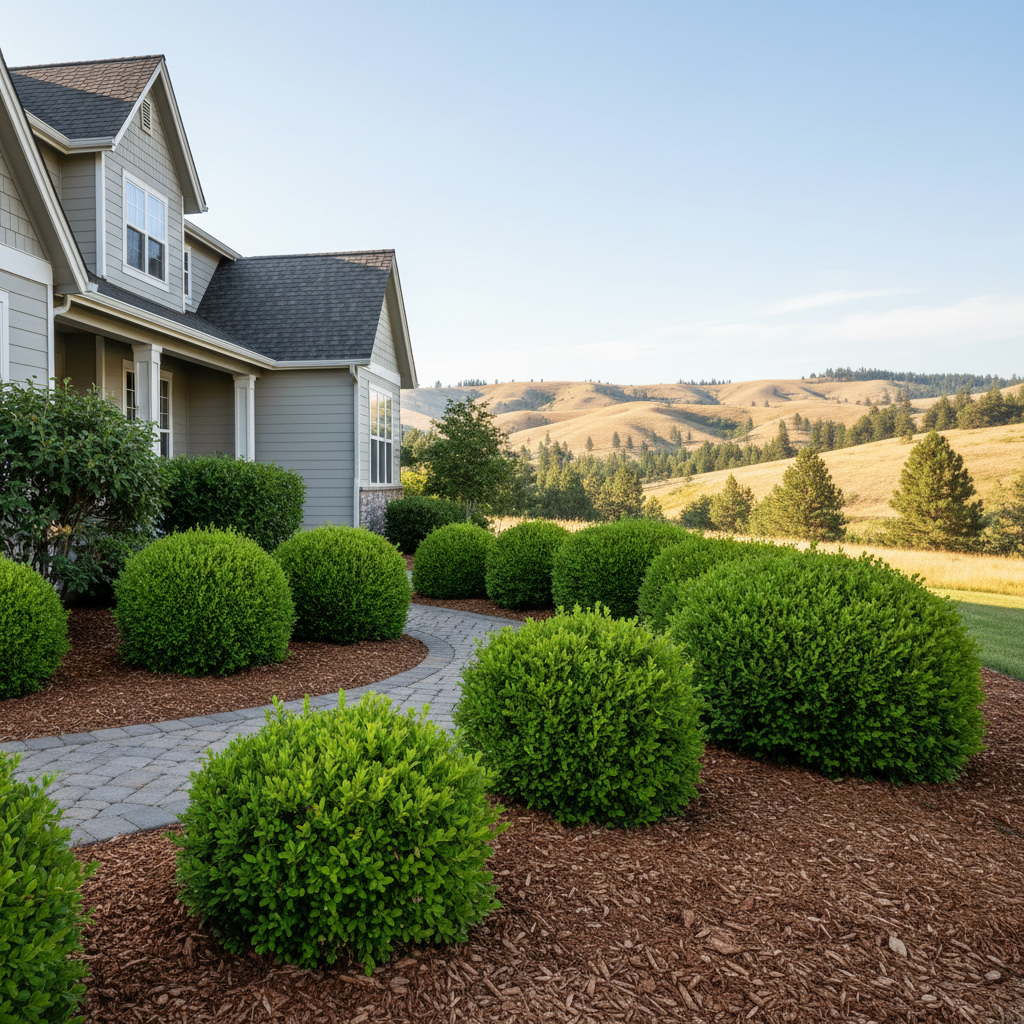
Alright, let's talk about those shrubs and bushes around your place. You spend good money getting them trimmed up nice, or maybe you put in the work yourself. The goal, of course, is for that clean look to last, right? Nobody wants their yard looking like a wild jungle a month after a trim.
Making Your Trimmed Shrubs Last Longer
So, you've just had your shrubs and bushes shaped up. How do you keep them looking good for as long as possible? It's not exactly rocket science, but it does take a little thought.
First off, think about the kind of plants you've got. Some just grow faster than others. A fast-growing privet hedge, for instance, will need more frequent attention than a slow-growing boxwood. Knowing your plants helps you figure out when they'll need work again.
Proper watering is huge, especially here in Yakima. Our summers are hot and dry, you know? If your shrubs are stressed because they're thirsty, they might put out weak, leggy growth trying to find moisture. That really ruins that nice shape. Usually, deep, infrequent watering is better than lots of shallow sprinkles. You want the water to get down to the roots, not just sit on the surface.
And don't forget about feeding them. A healthy plant grows predictably. A stressed plant? Well, it can throw out some weird growth patterns. Use a balanced fertilizer, but don't overdo it. Too much nitrogen can make a plant put all its energy into leafy growth, which just means more trimming for you.
Regular Maintenance: What You Can Do Yourself
Even after a professional trim, you'll want to do some light maintenance yourself to keep things tidy. This isn't about major reshaping, but more about just cleaning things up.
Snip the stragglers: Keep an eye out for those individual branches that shoot out past the main shape. A quick snip with hand pruners can keep the whole plant looking neat without needing a full re-trim. Easy peasy.
Remove dead or damaged bits: This is crucial. Any branches that look brown, brittle, or broken should come out. Not only do they look bad, but they can also be an entry point for disease or pests. Plus, taking them off directs the plant's energy to healthy growth.
Check for suckers and watersprouts: These are fast-growing shoots that pop up from the base of the plant or along main branches. They're usually weak, grow quickly, and really mess up the plant's form. Just cut them off flush with the branch or ground.
Keep the base clear: Make sure there's no grass or weeds growing right up against the base of your shrubs. They compete for water and nutrients, and can also harbor pests. A good layer of mulch around the base helps a lot with this, and keeps the soil moisture more consistent, which is a real benefit during our hot Yakima summers.
Warning Signs: When Something's Not Quite Right
Your shrubs and bushes are usually pretty good at telling you when they're unhappy. You just need to know what to look for.
If you see a lot of leaves turning yellow or brown and dropping off, that's a red flag. It could be overwatering, underwatering, nutrient deficiency, or even a disease. Wilting leaves, especially if the soil seems moist, can also point to root problems.
Unusual spots, growths, or discolored patches on leaves or stems are big indicators of disease. Look for powdery mildew, black spots, or cankers. Also, keep an eye out for pests. Little holes in leaves, sticky residue, or actual bugs crawling around mean you've got visitors. Catching these things early can save the plant, sometimes.
Another sign is a sudden change in growth habit. If a usually dense shrub starts looking thin and sparse, or if one side is thriving while the other is dying back, something's off. It could be root damage, soil issues, or even something like too much sun reflecting off a nearby window — which I've seen happen in some of the newer developments around West Valley.
When to Call a Professional
Look, you can do a lot of this maintenance yourself, and I encourage it. But there are times when it's just smarter, safer, or more efficient to call in the pros. That's where a company like Yakima Tree Service comes in.
Major reshaping or reduction: If your shrubs have gotten completely out of hand and need a serious cutback or a dramatic change in shape, that's a job for someone with the right tools and expertise. You can easily damage the plant or create an ugly, unnatural look if you don't know what you're doing.
Dealing with disease or pests: If you've got a serious infestation or a disease that's spreading, a professional can diagnose the problem accurately and recommend the best course of action. Sometimes it's a specific treatment; other times, sadly, it's removal to protect other plants.
Large or difficult-to-reach shrubs: Some hedges are just too tall or too wide for you to safely trim yourself. Don't risk falling off a ladder or getting tangled in thorny branches. We've got the equipment and training to handle those safely.
Time constraints: Let's be real, life gets busy. If you just don't have the time or energy to keep up with your landscaping, that's perfectly fine. Hiring a professional service ensures your yard stays looking its best without you having to lift a finger.
You want an expert opinion: Sometimes you just want to know what's best for your specific plants and property. We can offer advice on plant health, optimal trimming schedules, and long-term care tailored to your Yakima landscape.
Keeping your shrubs and bushes healthy and looking good is an ongoing process. A little regular attention goes a long way, and knowing when to call in the cavalry can save you a lot of headache and expense down the road.