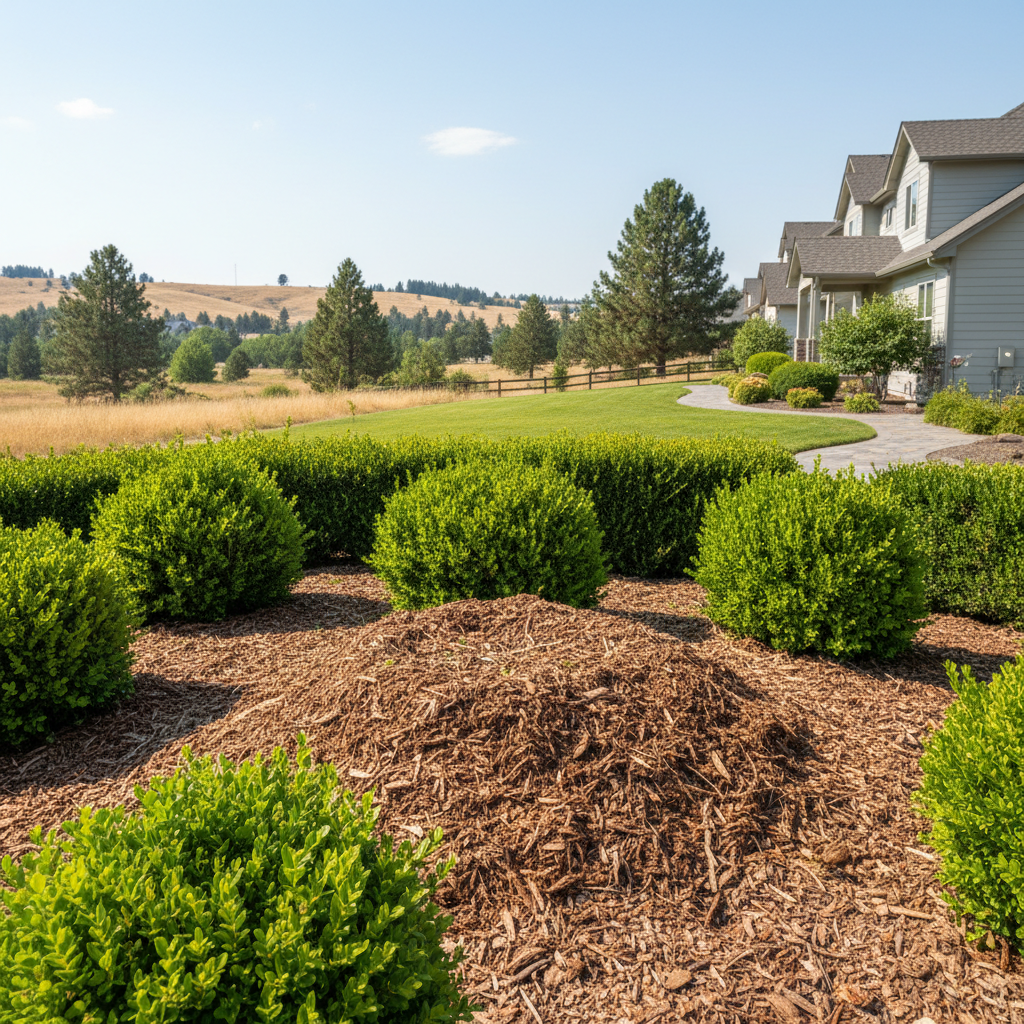
When you are dealing with the dry summers and freezing winters right here in the Yakima Valley, keeping your yard landscape plants looking good takes a bit of know-how. Over the years running Yakima Tree Service, Yakima Tree Service has heard just about every question a homeowner can ask about keeping their bushes and hedges in check. The most common questions are answered below without any extra fluff.
When is the absolute best time to trim shrubs in Yakima?
Most people want to grab their shears the second a bush looks a little shaggy, but timing matters for plant health. Here in central Washington, late winter or early spring, right before new growth kicks off, is ideal for the heavy lifting. The plants are dormant, which means less stress and less sap loss. That said, if you have spring-blooming shrubs like lilacs, wait until right after they finish flowering, or you will chop off all your blooms for the year.
Can I cut my overgrown hedges all the way back to the wood?
Yakima Tree Service sees people try this all the time when a hedge gets out of hand near their front window. They shear it down to bare, thick woody stems, hoping for a clean slate. Truth is, many common landscape shrubs like arborvitae or junipers will not generate new growth from old, bare wood. If you hack them back past the green foliage, you will just end up with dead, unsightly sticks. If a shrub has outgrown its spot by half, it is usually better to remove it and start fresh.
How often should I actually be trimming my bushes?
It depends entirely on what you have planted, but formal hedges need a lot more attention than loose, natural shrubs. Fast-growing privacy hedges like privet or laurel might need two or three trims a season to keep them thick and dense. On the other hand, native or slow-growing ornamental shrubs might only need a light cleanup once a year to take out dead wood and cross-rubbing branches.
Will regular trimming protect my plants from our Yakima summer heat?
Actually, heavy pruning right before July and August can backfire. When you shear a shrub hard during a heatwave, you expose the inner canopy and tender stems to that brutal desert sun we get in Yakima, leading to severe leaf scorch. Keep major structural trimming for the cooler months, and stick to light, selective maintenance when the temperature climbs.
What is the difference between shearing and selective pruning?
Shearing uses hedge clippers to create a flat, uniform shape across the outer surface of the plant. It is fast, but it actually creates a dense outer shell that blocks sunlight and air from reaching the center of the shrub, causing the inside to die off. Selective pruning uses hand pruners to cut individual branches back to a lateral bud or the main stem. It takes longer, but it keeps the plant healthy all the way through.
Should I fertilize right after I trim my bushes?
A lot of homeowners think a fresh haircut means the plant needs a boost of food to recover. But forcing a plant to push out a ton of rapid new growth right after it has been stressed by pruning can weaken it. Let your shrubs settle in naturally. If your soil needs a nutrient bump, look into doing it in the fall so the roots can store up energy for the following season. Yakima Tree Service provides shrub care services for homes in Yakima.